
Diving into the world of telemedicine, this guide explores the inner workings of this innovative healthcare approach, shedding light on its benefits and applications across various medical fields.
Exploring the concept, technology, and advantages of telemedicine, this introductory paragraph aims to capture your interest and provide a glimpse into the realm of virtual healthcare.
How Telemedicine Works
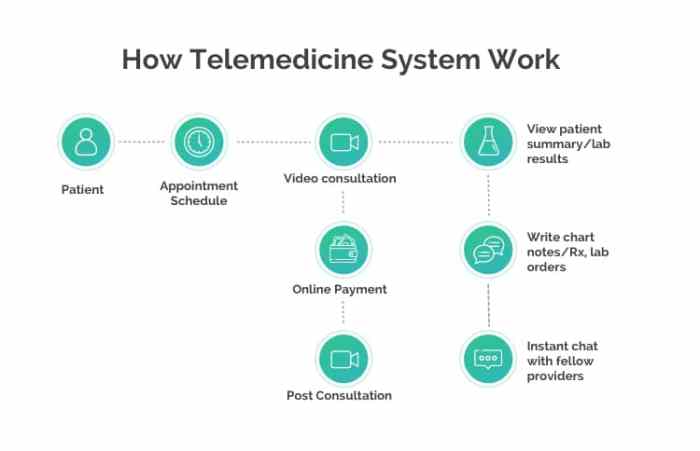
Telemedicine is the use of technology to provide healthcare services remotely, allowing patients to consult with healthcare providers without being physically present in a clinic or hospital. This innovative approach has revolutionized the healthcare industry by leveraging telecommunications technology to bridge the gap between patients and healthcare professionals.
Concept of Telemedicine
Telemedicine involves the use of video conferencing, phone calls, text messages, and other forms of communication technology to facilitate virtual consultations between patients and healthcare providers. Through this digital platform, patients can receive medical advice, diagnosis, treatment, and monitoring from the comfort of their homes.
Technology in Telemedicine
The technology used in telemedicine includes secure video conferencing platforms, electronic health records (EHRs), remote monitoring devices, and mobile health apps. These tools enable healthcare providers to deliver high-quality care remotely while maintaining patient confidentiality and data security.
Benefits of Telemedicine
- Improved access to healthcare services, especially for patients in rural or underserved areas.
- Convenience and flexibility for patients to receive medical care without travel or waiting times.
- Cost-effectiveness by reducing healthcare expenses associated with in-person visits.
- Enhanced communication and collaboration among healthcare teams for better patient outcomes.
Telemedicine Applications
- Telepsychiatry: Providing mental health services through video consultations.
- Telecardiology: Remote monitoring of heart conditions and consultations with cardiologists.
- Telestroke: Rapid assessment and treatment of stroke patients through video conferencing.
- Teledermatology: Diagnosis and treatment of skin conditions through online consultations.
- Teleophthalmology: Remote eye care services for vision assessments and eye disease management.
Telemedicine Services
Telemedicine services offer a wide range of healthcare options for patients, allowing them to access medical care remotely through digital platforms. Patients can benefit from various services provided by telemedicine, making healthcare more accessible and convenient. Here are some common telemedicine services available to patients:
1. Virtual Consultations
Virtual consultations enable patients to connect with healthcare providers through video calls or phone calls. During these appointments, patients can discuss their symptoms, receive medical advice, and even get prescriptions if needed.
2. Remote Monitoring
Remote monitoring allows healthcare providers to track patients’ vital signs and health data from a distance. This service is especially useful for patients with chronic conditions who require regular monitoring and adjustments to their treatment plans.
3. Teletherapy
Teletherapy offers mental health support and counseling services through virtual sessions. Patients can access therapy sessions from the comfort of their homes, making mental health care more convenient and accessible.
4. Online Prescription Refills
Patients can request prescription refills online through telemedicine platforms. This service eliminates the need for in-person visits solely for prescription renewals, saving time and effort for patients.
5. Second Opinions
Telemedicine allows patients to seek second opinions from specialists without the need to travel long distances. Patients can upload their medical records and have virtual consultations with experts to receive additional insights and recommendations.
Accessing Telemedicine Services
Patients can access telemedicine services through various platforms such as mobile apps, websites, or dedicated telemedicine portals. By creating an account and providing necessary information, patients can schedule appointments and connect with healthcare providers remotely.
Scheduling a Telemedicine Appointment
Scheduling a telemedicine appointment is simple and convenient. Patients can choose a suitable date and time for their virtual consultation, fill out any required forms or questionnaires online, and wait for their appointment confirmation. Some platforms also offer reminders to ensure patients do not miss their scheduled appointments.
Security Measures for Patient Information
Telemedicine platforms prioritize patient privacy and security by implementing robust security measures. Encryption techniques, secure servers, and strict data protection protocols are used to safeguard patient information during telemedicine consultations. Patients can feel confident that their personal health data is protected during virtual appointments.
In conclusion, the realm of telemedicine offers a promising future for healthcare delivery, bridging gaps and enhancing access to quality medical services. As technology continues to advance, the potential for telemedicine to revolutionize the healthcare industry remains endless.
Essential Questionnaire
How do doctors conduct physical examinations through telemedicine?
Doctors may guide patients on performing self-examinations or use peripherals like digital stethoscopes for remote assessments.
Is telemedicine only suitable for non-emergency medical issues?
While telemedicine is ideal for non-emergency consultations, it can also support chronic disease management and post-operative care.


